
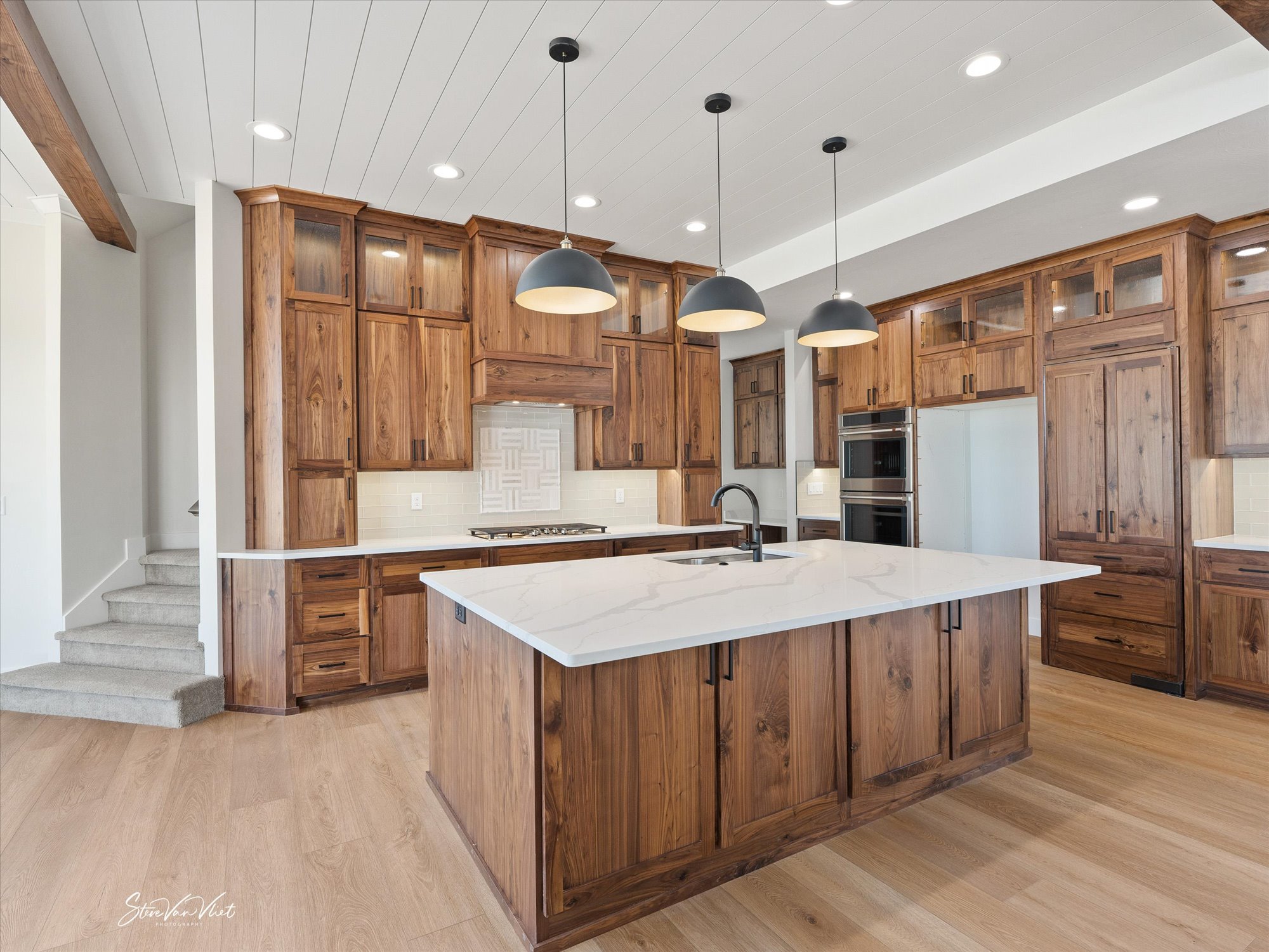
A home remodel is one of the most rewarding things you can do as a homeowner — and one of the most stressful if you're not prepared for what the process actually involves. This guide walks through every phase of a remodel from the first conversation through the final walkthrough, so you know what to expect and can make good decisions along the way.
Phase 1: Define the Scope Before You Do Anything Else
The most common remodeling mistake is starting construction before the scope is fully defined. "We'll figure it out as we go" is how projects run over budget and past deadline. Before you talk to a contractor, spend time getting clear on:
- What problem are you solving? Kitchen that doesn't have enough storage? Bathroom that's too small? Basement that's sitting unused? Start with the problem, not the solution.
- What's your real budget? Include a 15–20% contingency for surprises — they happen on almost every remodel, especially in older homes.
- What's your timeline? Are you working around a family event, a lease ending, or a school year? Know your hard stops.
- What's your tolerance for disruption? A kitchen remodel means eating out or surviving on a microwave for weeks. A master bath remodel means using a guest bath. Be honest about what you can live with.
Phase 2: The Contractor Conversation
When you're ready to talk to contractors, come prepared with your scope, your budget range, and your timeline. A contractor who can't give you a straight answer about whether your budget is realistic for your scope isn't a contractor who will serve you well through a project.
Good questions to ask in the initial consultation:
- How many projects like this have you completed?
- Who will be my point of contact day-to-day?
- How do you handle change orders?
- What does your payment schedule look like?
- Do you pull permits for this type of work?
That last question matters. In Pocatello and Bannock County, most structural work, electrical, plumbing, and HVAC changes require permits. A contractor who skips permits is transferring risk to you — unpermitted work can create problems when you sell the home and may not be covered by your homeowner's insurance.
Phase 3: Design and Material Selection
Once you've chosen your contractor and agreed on a scope, the next phase is design and material selection. For larger remodels this may involve an architect or designer. For simpler projects your contractor may handle layout decisions directly.
Make your material selections before construction starts whenever possible. Tile that's backordered 6 weeks, cabinets that don't arrive until week 4, a light fixture that was discontinued — these are the scheduling problems that stretch timelines. Your contractor can help you identify long-lead items early and plan around them.
Phase 4: Demolition
Demolition is the phase that gets homeowners excited and contractors cautious. Tearing out the old kitchen looks like fast progress — but it's also the phase that reveals surprises: out-of-plumb walls, undersized electrical panels, asbestos in old vinyl flooring, plumbing that wasn't where the drawings said it was.
This is where your contingency budget earns its keep. Every surprise uncovered during demo is a decision point: address it now properly, or paper over it and have it become someone else's problem in 10 years. Good contractors address it now and document what they found.
Phase 5: Rough-In Work
After demo, rough-in trades come through — framing changes, electrical rough-in, plumbing rough-in, HVAC modifications. This is unglamorous work that happens inside walls and floors before anything gets closed up. It has to pass inspection before it gets covered.
Don't rush this phase. Electrical and plumbing that's done right inside the walls is invisible and trouble-free for decades. Electrical and plumbing that's done to just pass inspection and move fast shows up as problems later.
Phase 6: Finishes
Insulation, drywall, flooring, tile, cabinets, fixtures, trim, paint — this is where the project starts looking like your vision. The sequence matters: flooring typically goes in after cabinets, paint after drywall and before trim, tile before fixtures. Your contractor manages this sequencing.
This is also the phase where you'll want to be available to make decisions. Colors look different on a painted wall than on a 2-inch swatch. Tile grout lines that look fine in the sample might look too wide once they're running across an entire bathroom floor. Catch these things while they're still adjustable.
Phase 7: Final Walkthrough and Punch List
The final walkthrough is where you go through the completed space systematically and identify anything that isn't right — a door that rubs, paint that needs a touch-up, a drawer that doesn't close flush. This list is called the punch list, and clearing it is the last step before the project is truly done.
Don't let a contractor talk you out of a thorough punch list walkthrough. The punch list is your leverage — once final payment is made and you've signed off, getting callback work done becomes harder. Walk carefully, write down everything, and don't finalize payment until the list is clear.
What Makes Remodels Go Wrong
Most remodeling disasters come from the same handful of root causes: scope that wasn't defined before construction started, a contractor who was the lowest bid for a reason, material decisions made in a hurry, and homeowners who didn't stay engaged with the process. None of these are inevitable. A well-scoped project with a contractor who communicates honestly and homeowners who stay involved almost always ends well — even when surprises come up along the way.